01
Water First
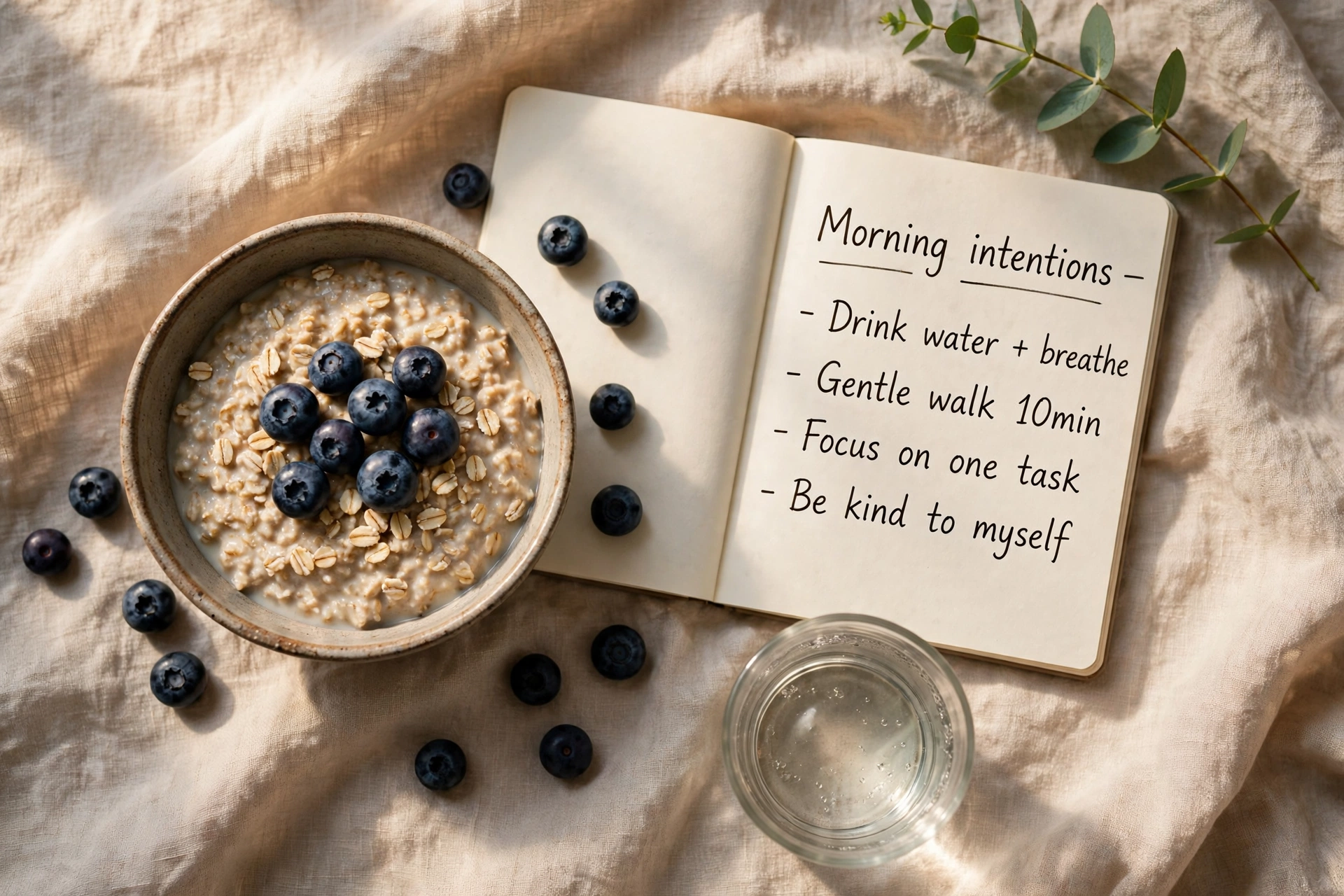
Keep a glass nearby and drink it when you wake up — a neutral, easy way to begin your daily hydration routine.

A calm routine you can keep on busy days.
Many adults value moments of clear focus and steady daily rhythm. This editorial guide explores everyday habits often discussed in the context of general cognitive wellness — hydration, daylight, a nourishing breakfast you enjoy, a single intention, and steady sleep — without promising any specific outcome.
Most days start in reaction mode — messages, headlines, to-dos. This approach suggests the opposite: reclaim the first few minutes for what you can control, before the outside world takes over.
General cognitive wellness is often discussed as part of a bigger pattern — regular sleep, movement, varied nutrition, social connection and mental engagement — not as a single habit or quick fix. This page provides general information only.
Use these as flexible building blocks, not fixed rules. Start with any two and notice what you naturally continue.
Keep a glass nearby and drink it when you wake up — a neutral, easy way to begin your daily hydration routine.
Crack a window, step outside for a minute, roll your shoulders. A little natural light and circulation before screens.
Pick a breakfast you look forward to. More color, fiber and whole foods, plus space for foods you love, eaten with presence.
Write down 3 priorities, read a page, or sit for three calm breaths. Give your mind a starting direction for the day.
A regular sleep and wake window, softer lights in the evening, less scrolling in bed — mornings feel lighter when nights are steadier.
1 min for water + 2 min light & stretch + 4 min for a mindful breakfast + 3 min for focus = a full ritual that still feels unhurried.
General wellbeing tends to reflect everyday patterns over time — not a single habit or one perfect day.
Try to keep a similar bedtime and wake time, with a calmer wind-down routine.
Walking, stretching, gardening — the best activity is the one you repeat each week.
More color, fiber and whole foods, plus space for foods you enjoy.
Conversations, community moments and small contributions that feel meaningful.
Read, build, learn something new — give your mind something to engage with daily.
Even a few minutes of daylight and fresh air can reset perspective.
In research on healthy aging, themes like regular sleep, movement, dietary variety, social ties and mental engagement are often looked at together as part of broader lifestyle patterns — not as isolated shortcuts. None of these sources evaluated any product on this page.
Some people choose to add a daily blend alongside balanced meals, movement, rest and purpose — as an extra layer, not a replacement for the basics. Presence in a formula does not imply a specific outcome for memory or focus.
Leaf extract with a long history in traditional use and ongoing interest in modern wellness discussions.
Herb traditionally used in Ayurvedic practices, now explored in contemporary wellness literature.
Hericium erinaceus mushroom variety often included in daily wellness blends.
Well-known root ingredient with broad cultural use in wellness routines.
Withania somnifera, traditionally used as part of general wellness practices.
Natural compound found in Curcuma longa (turmeric) root.
Polyphenol found in small amounts in certain fruits and plants.
DHA omega-3 fatty acid present in oily fish and available in supplemental form.
Nutrient involved in everyday cellular processes and general nutrition.
Mineral that plays a role in many normal body processes.
Vitamins that help support normal nutritional intake when combined with a balanced diet.
Standardized Piper nigrum extract frequently used in botanical combinations.
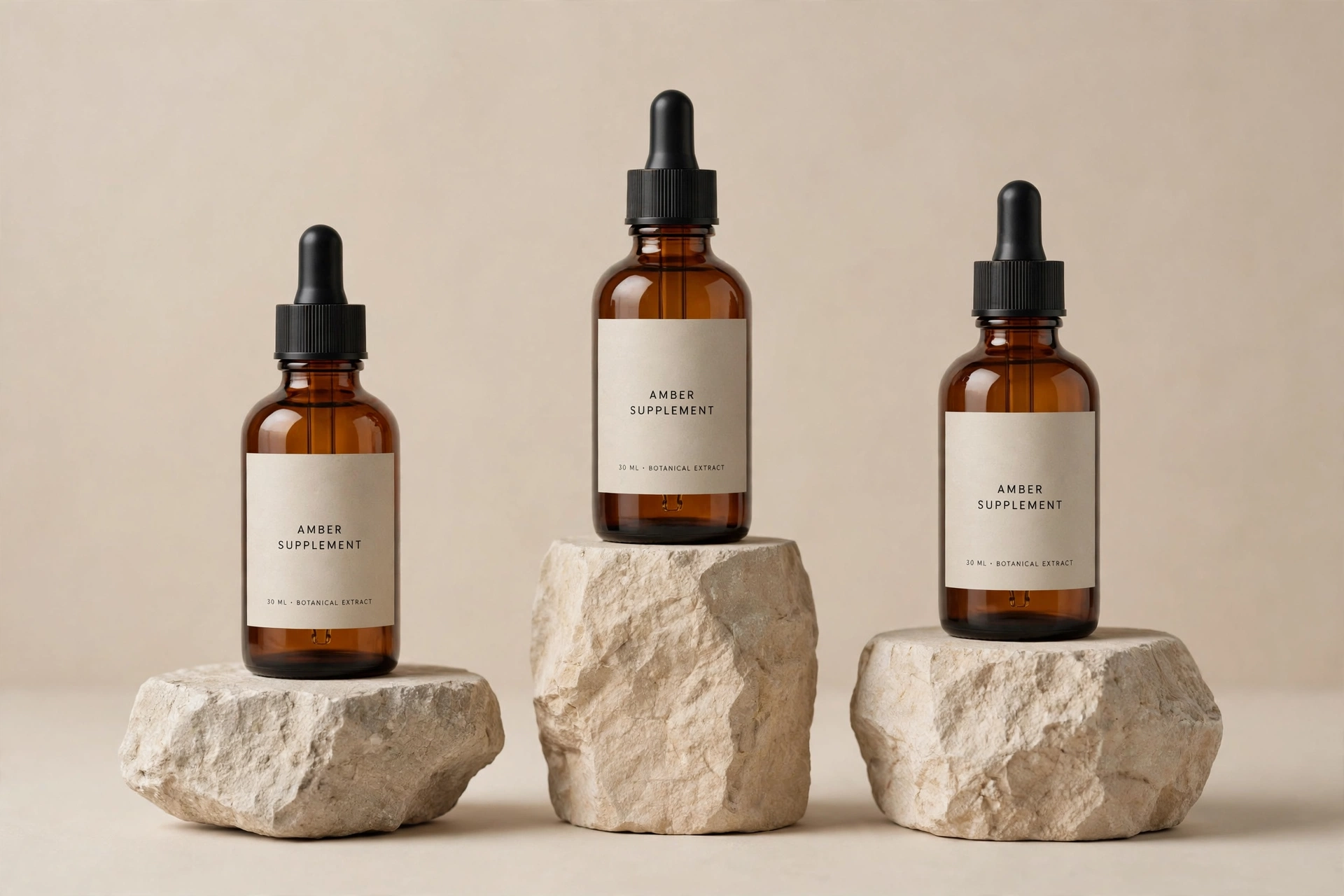
If you’re already focusing on balanced nutrition, regular movement, consistent rest and a morning intention, a daily blend can be a simple, extra element — added to habits, not in place of them. Not intended to diagnose, treat, cure or prevent any disease, including conditions related to memory.
The general wellness context on this page draws from the publications below. They did not assess this website or suggest that any product has a particular effect.
This site provides general education and wellness information for adults. It is not medical advice and does not replace guidance from a qualified healthcare professional. Content is not intended to diagnose, treat, cure or prevent any disease, including memory-related conditions, dementia or Alzheimer's.
These statements have not been evaluated by the U.S. Food and Drug Administration or other regulatory authorities. Individual experiences may differ, and no particular result is promised or guaranteed.
Supplements are not intended to substitute for a varied diet, sufficient sleep, movement, or professional care. If you are pregnant, nursing, under 18, taking medication, have a health condition, or have questions about your wellness routine, talk to a qualified clinician before starting any supplement.
Affiliate disclosure: This page includes affiliate links. If you buy through a link here, we may earn a commission at no added cost to you.
Product details: Offers, pricing, shipping terms, guarantee and stock are subject to change. Please check the retailer's checkout page for current information before you purchase.
FDA Disclaimer: Information on this website has not been evaluated by the Food & Drug Administration or any other medical body. This product is not intended to diagnose, treat, cure, or prevent any disease. Content is for educational purposes only.
Foundations first: Sleep, movement, balanced meals and mental engagement described here are general wellness practices. Nothing on this page is presented as a treatment for any condition, and no food or supplement replaces a balanced lifestyle or professional advice.
Talk to your provider: Always consult your physician or other qualified health provider with any questions about a medical condition or wellness plan.